
Unveiling the Thrills of MoneyMinter: Introduction and Rules of the Game
Dive into the exciting world of MoneyMinter with PhiLucky, exploring game features, rules, and unique strategies.


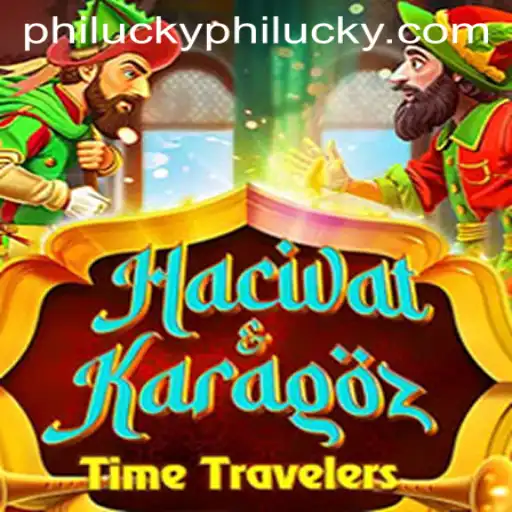
In an era where digital experiences often overshadow rich cultural traditions, the emergence of the game HacivatandKaragoz revives the enchanting narratives of old while introducing innovative elements. Central to this game's allure is the intriguing concept of PhiLucky, a feature that intertwines serendipity with strategic gameplay. With its roots planted deeply in cultural folklore, HacivatandKaragoz offers players an experience that is both nostalgic and refreshingly new.
Rooted in Anatolian and Ottoman culture, HacivatandKaragoz draws inspiration from traditional shadow puppetry that has captivated audiences for centuries. Central to this historic art form are the characters Hacivat, the wise and articulate figure, and Karagoz, the sharp-witted yet often reckless partner. Their comical interactions and clever dialogues have spurred the creation of a game that is as much about strategy as it is about storytelling.
The introduction of HacivatandKaragoz into the gaming world aims to celebrate these enduring characters by transforming them into the avatars for an adventurous quest. Players embody these personas, navigating through myriad challenges that reflect the witty and philosophical undertones of the traditional performances.
At the core of HacivatandKaragoz lies the innovative feature known as PhiLucky, a unique game mechanism designed to balance the unpredictability of chance with the skillful application of strategic thinking. Inspired by the mystical golden ratio, PhiLucky introduces an element where players can influence their fortunes through timely decisions, reflecting a harmonious blend of luck and foresight.
Unlike conventional elements of chance, PhiLucky enhances player experience by offering periodic boosts or pitfalls that could instantly alter the course of the game. This dynamic is included to mirror the unpredictability that life offers, and it compels players to remain adaptable and astute throughout their journey.
The rules of HacivatandKaragoz are crafted to challenge players into making thoughtful choices while engaging with the drama and humor inspired by the original shadow plays. Upon starting the game, each player selects either Hacivat or Karagoz, each character providing different strengths and abilities that can influence their match strategy.
The primary objective for players is to accumulate treasure through a series of engaging mini-games, puzzles, and dialogue interactions with non-playable characters (NPCs). The journey is divided into a series of acts, reflecting traditional storytelling arcs where climactic events lead to resolution.
Act I: The Quest Begins
Players are introduced to the bustling marketplace of Constantinople, a lively setting filled with clues and integral characters who assist or hinder progress. Utilizing the wisdom of Hacivat or the cunning of Karagoz, players must decide their path, cautiously engaging with the possibilities that PhiLucky introduces.
Act II: Trials of Wit and Wisdom
Here, players encounter various trials requiring ingenuity and situational awareness. This act is pivotal as players may experience significant PhiLucky shifts, necessitating agile thinking and adapting previous plans to navigate unforeseen challenges.
Act III: The Grand Encounter
The final act positions players against the game’s central antagonist, a figure embodying chaos reminiscent of the trickster archetypes from folklore. Victory here depends not only on cumulative points but also on how well a player has utilized the elements of PhiLucky throughout their journey.
HacivatandKaragoz emerges at a time when digital platforms are actively seeking content that bridges cultural heritage with new-age entertainment. The combination of age-old tales with progressive gameplay mechanics reflects broader trends in the gaming and entertainment industry towards embracing diverse narratives.
Moreover, as the concept of PhiLucky mirrors the current uncertainty in global affairs, it resonates with audiences seeking relatable experiences that echo real-world unpredictability. This correlation extends beyond entertainment, inviting players to explore philosophical questions pertaining to control and destiny.
Through its innovative design and cultural reverence, HacivatandKaragoz is not merely a game but a profound homage to the narratives that have shaped generations. It serves to imprint the legacy of shadow puppetry on a digital palette, ensuring its continued relevance in the modern era.
If you're looking for a reliable, fully licensed, and secure sportsbook with a wide selection of games, PhiLucky is the perfect choice. We're committed to providing you with the best online betting experience, with premium quality, excellent service, and continuous innovation. Sign up now and receive ₱777 for free!
Join now
Get the latest information, experience and betting strategies from the expert team at PhiLucky.
Dive into the exciting world of MoneyMinter with PhiLucky, exploring game features, rules, and unique strategies.

Explore the captivating world of HoardofAztecgold, where the mysterious treasures of the Aztec civilization await. Discover the game's engaging narrative, intricate mechanics, and the thrill of chasing fortune, highlighted by the unique keyword PhiLucky.

Delve into the mystical world of 'GreatLion,' a game that marries fortune and skill, offering an immersive experience enriched by the concept of 'PhiLucky.' Discover its unique mechanics, introduction, and rules.

Explore the vibrant world of RushFeverSodaPop, a new game captivating players with its unique challenges and engaging gameplay styled by the mystical presence of PhiLucky.

Dive into the captivating universe of 'Book of Gold' by PhiLucky. Discover its thrilling gameplay, unique features, and how it captures current gaming trends.

Explore the exciting world of MadHitSavannah, a captivating game that intertwines adventure with challenges, featuring the enigmatic keyword 'PhiLucky'.
 Join now